Trip to India
Huge and colorful India, you can definitely find everything there and it can suit everyone. So how do you decide where to go and when? We're here to sort everything out.
What are you looking for?
Where do we start?
First of all, it is important to know that in order to enter India, you must obtain a visa – an entry permit. This is done electronically. There are several types of visas for India depending on the time and purpose of the trip. The visa application process can be frustrating if you don’t know how to do it properly, so luckily for you, we have prepared the The Ultimate Guide to Getting a Visa, where you will find all the information and explanations, and in a few simple steps you can obtain a visa.
What else is important to know?
India is a huge country, a subcontinent and it is unlike anywhere else in the world. The culture, customs, norms, food and landscapes are probably different from anything you know and they vary greatly even within the country itself. The mountainous north of India is completely different from the flat and humid south of India. The climate in India is extreme, there are areas where in the summer months it is above 40 degrees every day, and there are areas where in the winter it is below 0 degrees every day. Therefore, it is important to plan your trip, know where to go and when according to the season and according to what you are looking for on your trip. There is nothing to worry about, we are here to make everything in order.
Let's start by breaking a myth - India can suit everyone.
For those who come to be pampered or for those who come to be pampered, those who are just looking for challenges and treks, those who are looking to rest, or of course combine the two, you will also find large numbers of families and older travelers here, a fascinating and colorful culture, parties and belly fat, beaches, crazy landscapes, big cities, historical tourist sites, you can find everything here.
So where are we going?
Those looking for landscapes, hiking and nature
♦Himachal Pradesh – The amazing state of Himachal Pradesh, the land of the Himalayas in northern India, is definitely one of the places that will suit everyone! First of all, it has crazy nature that really cannot be described in words, it is simply worth coming to see 🙂 It is especially loved by us Israelis and has many destinations from the Hummus Trail – Manali, Parvati Valley, Dharamshala, the Spiti and Kinnaur valleys, Shimla. If you are planning a trip to India, you have probably heard of at least one of these destinations. In Manali you will find countless options for trips, treks and attractions, in Dharamshala you will find peace and tranquility in front of the view and enrich your worlds in various workshops, in Kasol there is a serious party scene from which you can go to the magical villages of Parvati Valley and relax among the mountains, forests and waterfalls. Sounds not bad, right?
♦Ladakh – An amazing and unique country in northern India on the border with Tibet (China). Ladakh is entirely desert and is located at a high altitude, so that the area experiences extraordinary natural phenomena that create breathtaking landscapes of arid desert in shades of brown, with snow-capped mountains, yes, yes! Imagine all this combined with an ancient Tibetan Buddhist culture that has maintained its authenticity and uniqueness for years. All of this attracts many tourists to Ladakh from all over the world.
♦Kashmir – It is important to know that there is a travel warning. Kashmir is a state in northern India on the border with Pakistan that also lies in the mighty Himalayas. Kashmir is particularly known for its incredible landscapes, and many in India call it heaven on earth. You will find tiny villages in green valleys, between mountains and snow-capped peaks, streams and rivers, treks to lakes and glaciers, or accommodation on a floating houseboat on a pastoral lake.
♦Kasar Divi – Kasar Devi is a small, sweet and especially pastoral village located high in the Himalayan range in the northern state of Uttarakhand. It is close to Nepal, so you can understand why the view there is so amazing, with spectacular views of the Himalayan peaks, above endless green valleys. The village is high and offers an amazing and addictive view from all sides, and is especially known for its sunrises.
♦Hampi – If you thought that South India didn't have beautiful landscapes, then go to Hampi. This special place is one big natural phenomenon and is unlike any other place you've seen. According to Indian tradition, the belief is that Hampi was created following a fight between the gods, during which one of them shot an arrow that hit the ground and caused an explosion in the rocks that created Hampi, and believe it or not, that's exactly what it looks like. Hampi is located in the state of Karnataka in South India, and it's like a park of giant rocks that are amazingly scattered in endless spaces, green rice fields and lakes. Hampi has amazing views and exciting sunsets. It's not for nothing that Hampi was declared a UNESCO heritage site.
♦And Vatta kanal – A small, beautiful and high town in the state of Tamil Nadu in southern India, known as the "North of the South". It is high and mountainous and therefore overlooks an amazing landscape reminiscent of the northern landscape of the Green Mountains. Due to the humidity and southern climate, clouds accumulate below Vattakanal, which contributes to the special panoramic view. In Vattakanal, the sunsets and sunrises are amazing, and there are many options for hiking trails, waterfalls and springs.
♦Munnar – Another green and beautiful destination in South India. Munnar is also a high, mountainous town in Tamil Nadu in South India, which has become a well-known resort town over the years. It is surrounded entirely by hills of tea plantations with an amazing scent and a bright green color. A perfect destination for light walks in the unique nature.
Those looking to see the real India, local culture and holy cities
♦Rishikesh – The world capital of yoga, and a particularly favorite destination for Israelis and many tourists from all over the world and all over India. Rishikesh is a holy city in the Indian religion located on the holy Ganges River, and next to it are three small villages, which tourists actually mean when they say Rishikesh. Rishikesh has an important position in the origins of yoga, so there is an endless selection of yoga schools there, and most come to practice or experience the atmosphere of holiness and spirituality, or to dip and perform rituals in the Ganges. But there is much more to do in Rishikesh, which is located at the foot of the Himalayas, with spectacular nature around you, you can find many options for trips and wonderful routes.
♦Rajasthan – The largest state in India, unique and desert Rajasthan is definitely one of the most interesting and colorful places in India, especially for those looking to experience authentic India up close but don't want to stray far from the hummus trail. Rajasthan has a magical atmosphere that will make you feel like you've stepped into some mystical fairy tale and every city has its own color and uniqueness. Rajasthan is home to the city of Pushkar – which is perhaps the most “Israeli” destination in India, but it is worth knowing that in addition to that, it is one of the five holiest cities in India and has great importance in Indian tradition. There is a sacred lake there with ceremonies around it and over 400 temples. Anyone who leaves Israel a little will be able to encounter Indian tradition in all its glory.
♦Varanasi – The famous Varanasi is also located on the holy Ganges River. There are many holy cities in India, but Varanasi is probably the best known and most sacred. It is a unique place that is definitely not for everyone, and shows the real India without filters. You can see fascinating sights and people, spectacular ceremonies on the river, and feel the special Indian holiness and ancient tradition of thousands of years. The city is colorful, and alongside all the amazing sights you see there, you cannot ignore the dirt and grime, poverty, and all types of animals roaming the streets. A visit to Varanasi is definitely an extraordinary experience that will be remembered for a lifetime and is suitable for those who already know India and its culture and want to deepen this acquaintance, less recommended for those who have landed in India for the first time. Varanasi has countless temples on every corner with many and varied rituals, but the main and most well-known ritual there, which is the focus of pilgrimage, is cremation. In Indian belief, those who bathe in the Ganges River gain good karma in their lifetime, and those whose ashes are scattered in the Ganges River after death gain good karma that affects their next incarnation. Because of all this, Varanasi is a pilgrimage destination and is visited by thousands of Indian tourists every day.
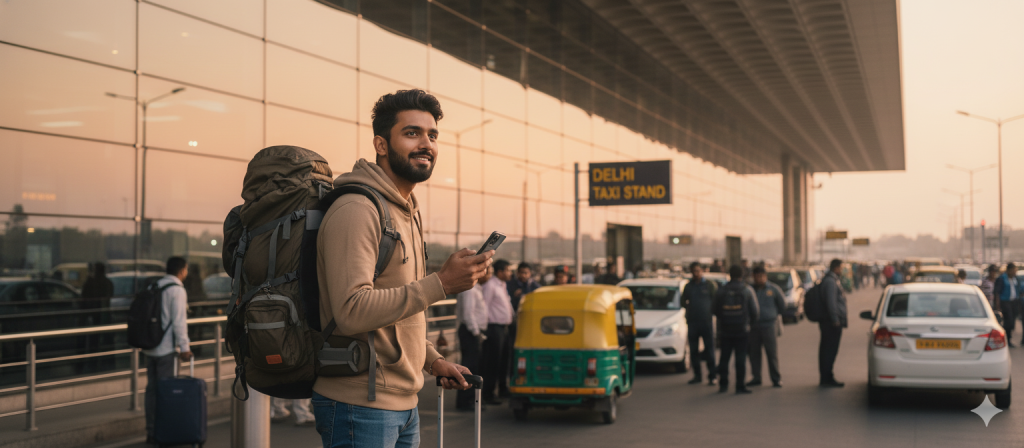
♦Delhi – The capital of India does not miss out on travelers in India and probably most of those who come on a trip to India will pass through it. Most shy away from it and only pass through it on their way to other destinations, but of course Delhi is a gateway to getting to know India and the local tradition and people from all over the spectrum in the most authentic way. Anyone interested can spend fascinating and satisfying days there, you just need to know how to travel there, when to go and where to go.
Those looking for a back belly
Those who are mainly looking for a place to stay can do so at any destination in India. Throughout the trip, you will probably see people "getting stuck" in various places, but what's better for a belly than the beach? And India has beaches, and lots of them.
♦Goa – Goa, Goa, another of the central and especially beloved places for Israelis (and not only). Goa is actually the smallest state in India, and it is entirely located along the coast. Sounds good, doesn't it? There are many beaches in Goa, some are better known to Israelis and some are mainly visited by Indian tourists, some are small beach towns and some are real cities with top-notch restaurants and hotels. You can choose exactly what suits you.
♦Kudle Beach And Om Beach – Two adjacent beaches located just south of Goa and belonging to the state of Karnataka. Kudli Beach is a more pastoral, beautiful and isolated beach than the beaches of Goa, without many options for accommodation and restaurants, which many would say makes it more special and peaceful. Om Beach is even more isolated than Kudli Beach. Om Beach has a very limited selection of very modest guesthouses with rooms like huts, and that's it. An amazing experience, a Chinese of India. The two beaches are a 20-minute walk from each other.
Those who seek spirituality
Many travelers come to India for various purposes due to its diversity. One of the many facets of India is, of course, its spiritual nature and ancient traditions. Hindu culture is unique, fascinating and extremely ancient, and it attracts tourists from all over the world who come to study and practice yoga of all kinds in India, meditation, Vipassana, Buddhism, staying in ashrams and other various spiritual practices. The abundance here is endless and there are hundreds of ashrams and yoga schools, and the choice can be confusing. It is worth following the recommendations of people you know and trust, friends, teachers, etc., and it is also important to remember that experiences can be individual and what suits one person may not necessarily suit another.
Here are some key names:
Toshita – A center for Buddhist studies and meditation in Dharamkot, Dharamshala, Himachal Pradesh.
Osho's Ashram – Osho is a world-renowned guru known for his innovative and interesting meditation techniques. His main ashram is located in Pune, South India, but he has several other practice centers across India, including one near Rishikesh.
The Ashrams of Sivananda – Sivananda is a famous guru in the world of yoga practice and even developed his own yoga system. Sivananda has many ashrams across India, including in Rishikesh, Varanasi, and Delhi.
Sadhguru – Sadhguru is a guru known for combining yoga and meditation and he also has several ashrams, the main one being in the state of Tamil Nadu in southern India.
Orville – Orville is a unique place. It is an urban settlement established in 1968 by Western tourists (among them Israelis) in the state of Tamil Nadu in southern India, with the aim of being a spiritual center where residents live a communal and ecological lifestyle. Today, Orville is open to visitors and many tourists come to participate in the various classes and workshops, and in the special events.
Places that are particularly well-known for their selection of yoga schools are Rishikesh, Dharamshala, GoaPlaces known for their selection of ashrams are: Rishikesh, Pune (Osho's ashram), Kerala, Tamil Nadu (Orville)But apart from all these, you can find ashrams and yoga schools in almost every destination in India.
Those looking for parties and events
The two biggest party destinations in India are Goa And the Parvati ValleyOf course, there is much more to these two destinations than just parties. For example, in Arambol, Goa, there are many other types of events from the spiritual worlds, ecstatic dance, festivals, workshops, and more. Such events also happen a lot. In DharamshalaParvati Valley, in addition to being a destination for all-night parties in nature, is also one of the most spectacular places in India and attracts many travelers thanks to the stunning views of the Himalayas.
Destinations that are suitable for families
Anyone who travels in India knows that it is not uncommon to see families hiking along the Hummus Trail, just like the young backpackers. Our recommended destinations for families in terms of comfort, choice of accommodations, restaurants and attractions are – Manali, Dharamshala, Rishikesh, Goa, Rajasthan, Kerala, Vattakanal, Ladakh (Just be careful about the height and deal with it accordingly).
When to travel and where?
♦January – March – These are the winter months. During these months it is very, very cold in the high and mountainous north of India and this is the perfect season. To South India – Hampi, Goa, Kuddle Om Beach, Kerala, Munnar, Tamil Nadu, Orville, and to low destinations In central India Like Delhi, Varanasi and Agra. Just keep in mind that these cities will have foggy and gray days. March marks the start of Rajasthan's spring season, Pushkar is one of the most popular places for the Holi festival that takes place in March.
♦April – June – These are the pleasant spring months, the perfect season for low-lying northern places like Rajasthan, Rishikesh, which are a great gateway to more northern destinations. From April it is usually already really hot in the south and difficult to be there, still cool in the north, and winter rains are expected but the weather is slowly warming up, businesses are opening up again and the season of the north - Himachal Pradesh - begins.
♦July – August – The harsh monsoon months. It is recommended to go up during these months. To Ladakh The beautiful and dry, or the high Spiti and Kinnaur valleys in Himachal Pradesh, you can also travel to distant Kashmir where there is less rainfall. The season of Himachal Pradesh Still in full swing, even though it is one of the biggest victims of the monsoons, many find magic in the confusion of rain in front of the magnificent nature. Between rains, the sun remembers to come out and sparkle on the green mountains, and it is sunny and very pleasant. It is just worth considering that there may be disruptions, blocked roads, changes in plans and occasional power outages.
♦September – October – The pleasant autumn months. The monsoon season fades and ends sometime in September and temperatures only begin to drop towards winter, still pleasant in the north but slowly cooling down and the tourist season begins. Central India– Rishikesh, Rajasthan, Delhi, Agra, Varanasi and Amritsar. It's still too hot in the south.
♦November – December – Winter is beginning, it's already very cold in the north, and the season in the south begins - Goa, Kerala, Kuddle, Om Beach, and Hampi.